Blankets and quilts encompass a range of textiles designed to regulate warmth, comfort, and sleep quality across seasons. This category highlights fabrics, weights, and construction methods—from lightweight cotton blends to insulating microfiber fills—emphasizing breathability, durability, and care instructions to help users choose appropriate layering for varying climates and bedding setups.
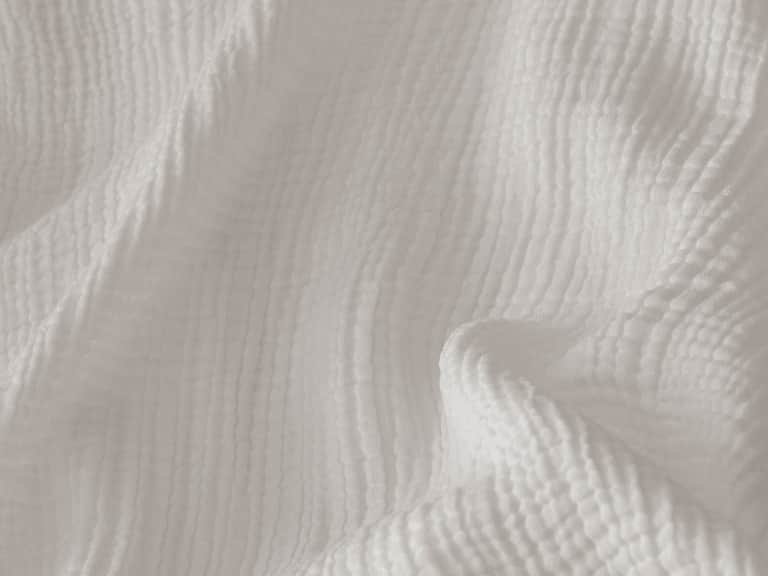
Key features to consider include fabric texture, weave, and thread count, along with fill power and loft for quilts. Natural materials like cotton and wool offer moisture management, while synthetic fills provide consistent warmth. Understanding these attributes supports informed decisions about comfort, allergy considerations, and long-term performance.
Common use cases cover year-round sleeping comfort, relaxation spaces, and transitional bedding. Blankets serve as top layers for temperature control, while quilts provide compact warmth with easier care routines. Consider compatibility with existing sheets, duvet covers, and pillow configurations to achieve cohesive nighttime ambiance and functional versatility.
Within this category, several notable examples illustrate practical benefits: Free New Bedcover with high-loft quilting offers durable warmth and even heat distribution; a lightweight fleece blanket provides cozy warmth without bulk; and a breathable cotton quilt balances warmth with airflow—each supporting restful sleep and daily comfort.
When evaluating options, reflect on care requirements, environmental impact, and compatibility with organic mattresses and bedding accessories such as sheets, pillows, and duvet covers. Meta keywords such as bedding, pillows, sheets, duvet covers, and organic mattresses help frame the broader context of sleep environments and material choices for healthy, sustainable rest.
 Bedding