Filters in a bedroom setting are essential components that improve air quality and comfort by capturing dust, allergens, and microscopic particles. Understanding how different filter types function helps homeowners select appropriate solutions for air purification and system maintenance, especially in bedrooms where quiet operation and low maintenance are priorities. Key features to consider include filtration efficiency, noise level, filter lifespan, and compatibility with common HVAC or standalone air systems. Relevant keywords include bedding, pillows, sheets, adjustable beds, and comforters to contextualize typical bedroom environments.
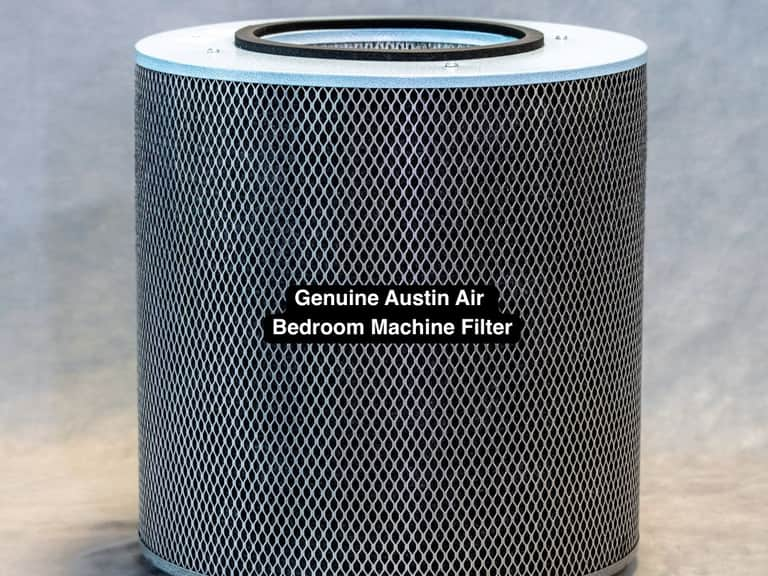
Bedroom machine filters are designed to address the specific needs of sleeping spaces, balancing effective filtration with minimal airflow resistance. These filters often incorporate multi-stage media, such as pre-filters and high-efficiency layers, to capture larger debris and fine particles. Understanding their performance metrics, replacement intervals, and ease of installation helps ensure continuous, quiet operation that supports healthier sleep environments. Bedding materials and sleep accessories can influence indoor air quality and should be considered alongside filtration choices.
When evaluating filter performance, it is important to examine MERV ratings, CADR values, and filtration media. Lower resistance designs reduce energy usage and noise, while higher efficiency media improve capture of dust, pet dander, and microbial particulates. For bedrooms with sensitive occupants, selecting filters that balance filtration quality with acoustic performance is crucial to maintaining a comfortable sleep environment alongside pillows, sheets, and comforters.
Maintenance considerations for bedroom filters include replacement schedules, seal integrity, and compatibility with existing bedroom components such as adjustable beds or bedside air purifiers. Properly maintained filters help preserve HVAC efficiency, minimize indoor pollutant recirculation, and extend the lifespan of comfort-focused bedding products by reducing environmental irritants that can affect sleep quality. Understanding these aspects supports informed decisions about home air hygiene.
In educational contexts, it is helpful to compare several commonly used filter architectures, including pleated, electrostatic, and activated carbon designs, for their respective benefits in bedrooms. By aligning filtration capabilities with everyday bedroom uses—restful sleep, allergen reduction, and odor management—households can better interpret how bedding, pillows, sheets, and comforters interact with indoor air quality and overall comfort.
 Air Purifiers